The Detox Power of Fiber
The Detox Power of Fiber
Fiber is a crucial part of our diet, often overlooked for its mighty benefits. It’s not just a tool for keeping the digestive system regular; it’s also a powerful ally in detoxifying the body. Here, we’ll explore how fiber contributes to detoxification, supports overall health, and simple ways to include it in your diet.
What is Fiber?
Fiber is a type of carbohydrate that the body cannot digest. Unlike other carbs, which break down into sugar molecules, fiber passes through the body undigested. It comes in two types:
- Soluble fiber: Dissolves in water to create a gel-like substance. It can help lower blood sugar and cholesterol.
- Insoluble fiber: Does not dissolve in water and helps add bulk to the stool, promoting regular bowel movements.
Both types are important for good health.
How Fiber Detoxifies the Body
Fiber plays an essential role in detoxification by:
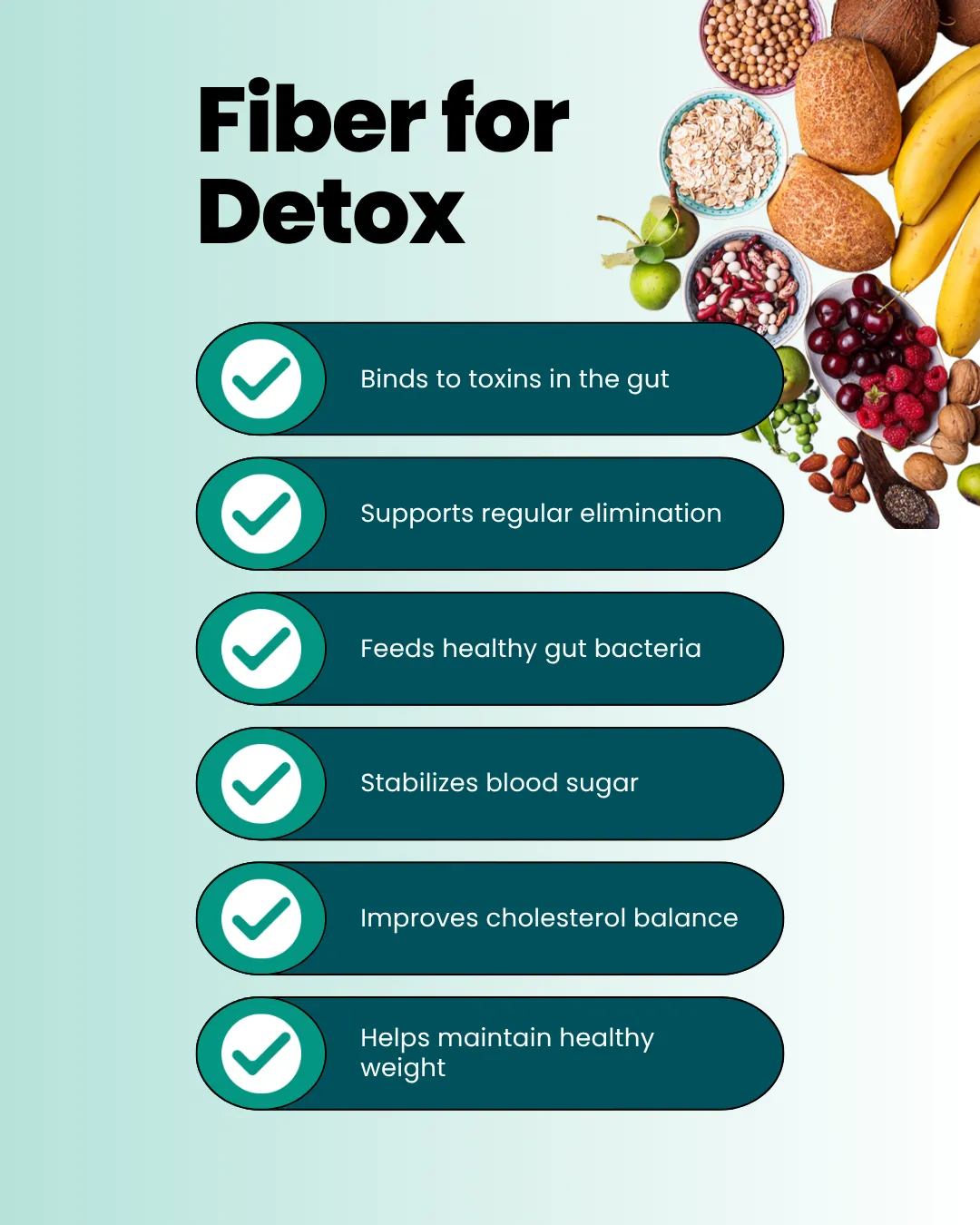
- Binding to toxins: Fiber binds to toxins in the gut, helping to remove them from the body.
- Supporting regular elimination: Regular bowel movements are a natural way for the body to excrete toxins, and fiber ensures that this process happens smoothly.
- Feeding healthy gut bacteria: Fiber feeds beneficial gut bacteria, which assists in breaking down toxins.
- Stabilizing blood sugar: By slowing down digestion, fiber helps prevent blood sugar spikes, reducing inflammation and helping the liver detoxify.
- Improving cholesterol balance: Soluble fiber helps reduce bad cholesterol, which can improve liver function.
- Helping maintain healthy weight: Fiber-rich foods are filling, which helps prevent overeating, a key factor in maintaining a healthy weight and efficient detoxification.
Benefits of a High-Fiber Diet
A diet rich in fiber offers numerous benefits, including:
- Better digestive health: Fiber helps prevent constipation and maintains a healthy digestive tract.
- Weight management: Fiber makes you feel full longer, reducing the need for frequent snacking.
- Heart health: By lowering cholesterol, fiber supports heart health.
- Blood sugar control: Fiber slows sugar absorption, helping manage diabetes.
- Reduced risk of diseases: A fiber-rich diet is linked to a lower risk of heart disease, diabetes, and some cancers.
Easy Ways to Add More Fiber
Adding more fiber to your diet doesn’t have to be complicated. Here are some simple tips:
- Choose whole grains: Opt for whole-grain bread, pasta, and rice.
- Eat more fruits and vegetables: Aim for a variety of colors to get a broad range of nutrients and fibers.
- Snack on nuts and seeds: They are not only rich in fiber but also healthy fats.
- Add legumes: Incorporate beans, lentils, and peas into your meals.
- Try fiber supplements: If needed, fiber supplements can be a convenient way to boost your intake.
Conclusion
Fiber is a vital component of a healthy diet, crucial for detoxification and overall wellness. By binding to toxins, supporting gut health, and stabilizing blood sugar, fiber aids the body's natural detox processes. Embracing a diet rich in fiber by including a variety of fruits, vegetables, whole grains, and legumes can offer tremendous health benefits. It's an easy and effective way to support your health daily.