Mastering Elimination Diets for Better Health
Mastering Elimination Diets for Better Health
Do you ever feel like the food you're eating is not quite agreeing with you? Many people have found relief by trying something called an elimination diet. This type of diet is designed to help you figure out which foods might be causing discomfort in your body.
What is an Elimination Diet?
An elimination diet is a short-term plan that helps identify food intolerances, allergies, or sensitivities. It involves removing specific foods from your diet and then slowly reintroducing them to see how your body reacts.
Why Consider an Elimination Diet?
- Identify Sensitivities: It helps pinpoint foods that might be causing issues like bloating, gas, or headaches.
- Reduce Inflammation: Removing problematic foods can help reduce inflammation, leading to better overall health.
- Improve Digestion: Many people report improved digestion after completing an elimination diet.
Steps to Follow an Elimination Diet
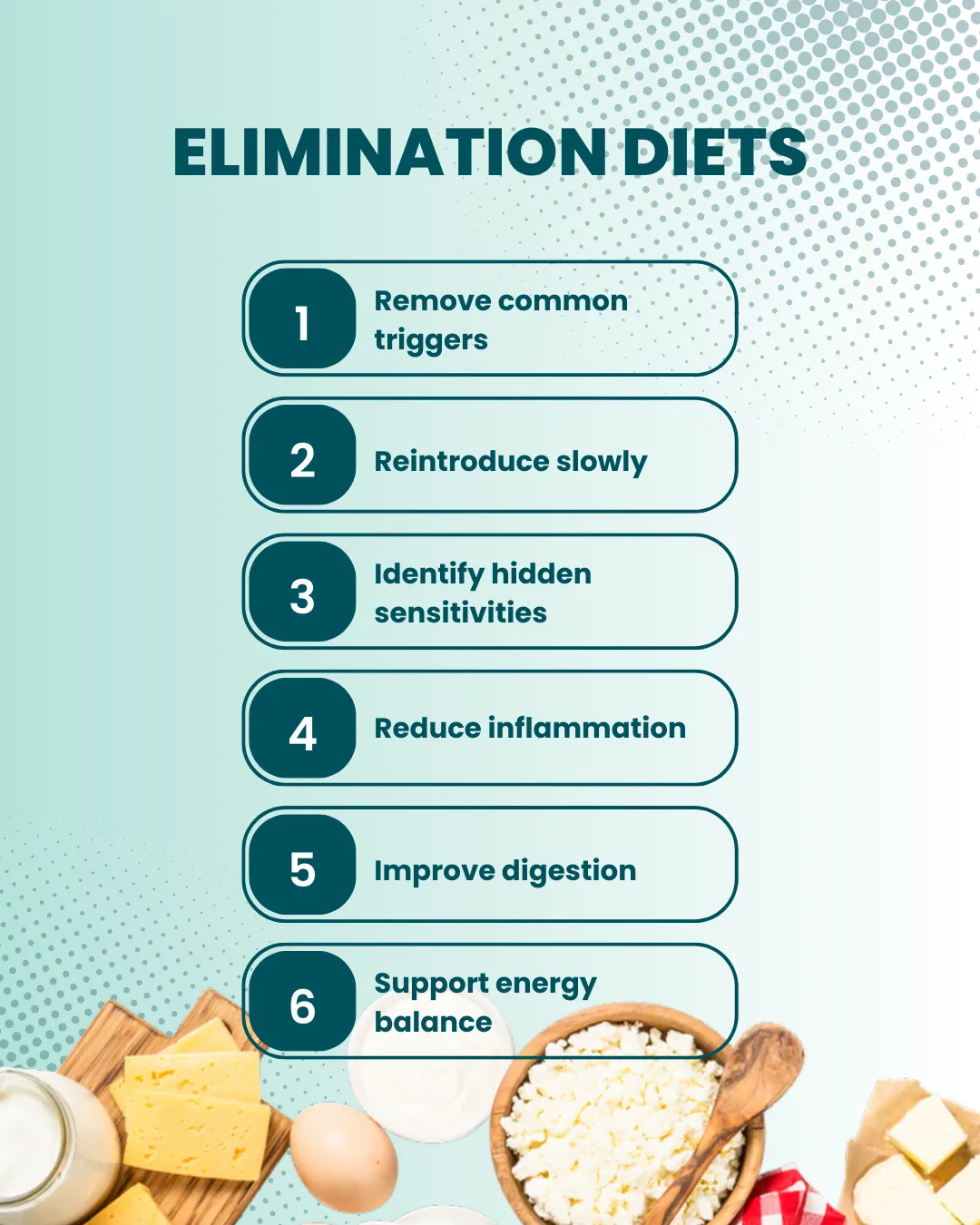
1. Remove Common Triggers
Start by removing foods that are known to cause issues for many. These might include:
- Dairy
- Gluten
- Nuts
- Soy
- Eggs
2. Reintroduce Slowly
Once you have removed certain foods and have noticed improvements in how you feel, it's time to slowly reintroduce them. Add one food back into your diet every few days and watch for any reactions.
3. Identify Hidden Sensitivities
Pay close attention to foods that cause problems, even if they are not the common ones. Writing down how you feel in a food diary can be very helpful.
4. Reduce Inflammation
A key benefit of this diet is reducing inflammation. By avoiding troublesome foods, your body can function better without the added stress.
5. Improve Digestion
People often find that their digestion improves when they avoid foods that their bodies don't tolerate well. This can lead to increased comfort and health.
6. Support Energy Balance
With the right foods, your body can maintain better energy levels. Eating what suits your body best helps keep you active and alert.
How to Get Started
- Consult a Professional: Before starting, it's wise to talk with a healthcare professional or nutritionist. They can guide you on how to proceed safely.
- Be Patient: It may take several weeks to see real changes, so patience is key.
- Keep a Journal: Documenting what you eat and how you feel can reveal more than you might think. It's a fantastic way to track progress.
Final Thoughts
An elimination diet might seem daunting at first, but it can be a powerful tool for better health. Identifying triggers, reducing inflammation, and improving digestion are all steps toward feeling your best. Remember, every person is different, so what works for one might not work for another. It's important to listen to your body and consult professionals as needed.
With proper planning and dedication, an elimination diet can be a rewarding experience that helps pave the way to a healthier you.