The Power of Protein: Health Benefits Explained
Understanding the Importance of Protein in Your Diet
Protein is an essential part of our diet, playing a crucial role in maintaining and improving our health. While many people know that protein is important, not everyone understands the full range of benefits it offers. This blog post will explore the significant ways protein contributes to your overall health, using simple language that makes it easy to understand for everyone.
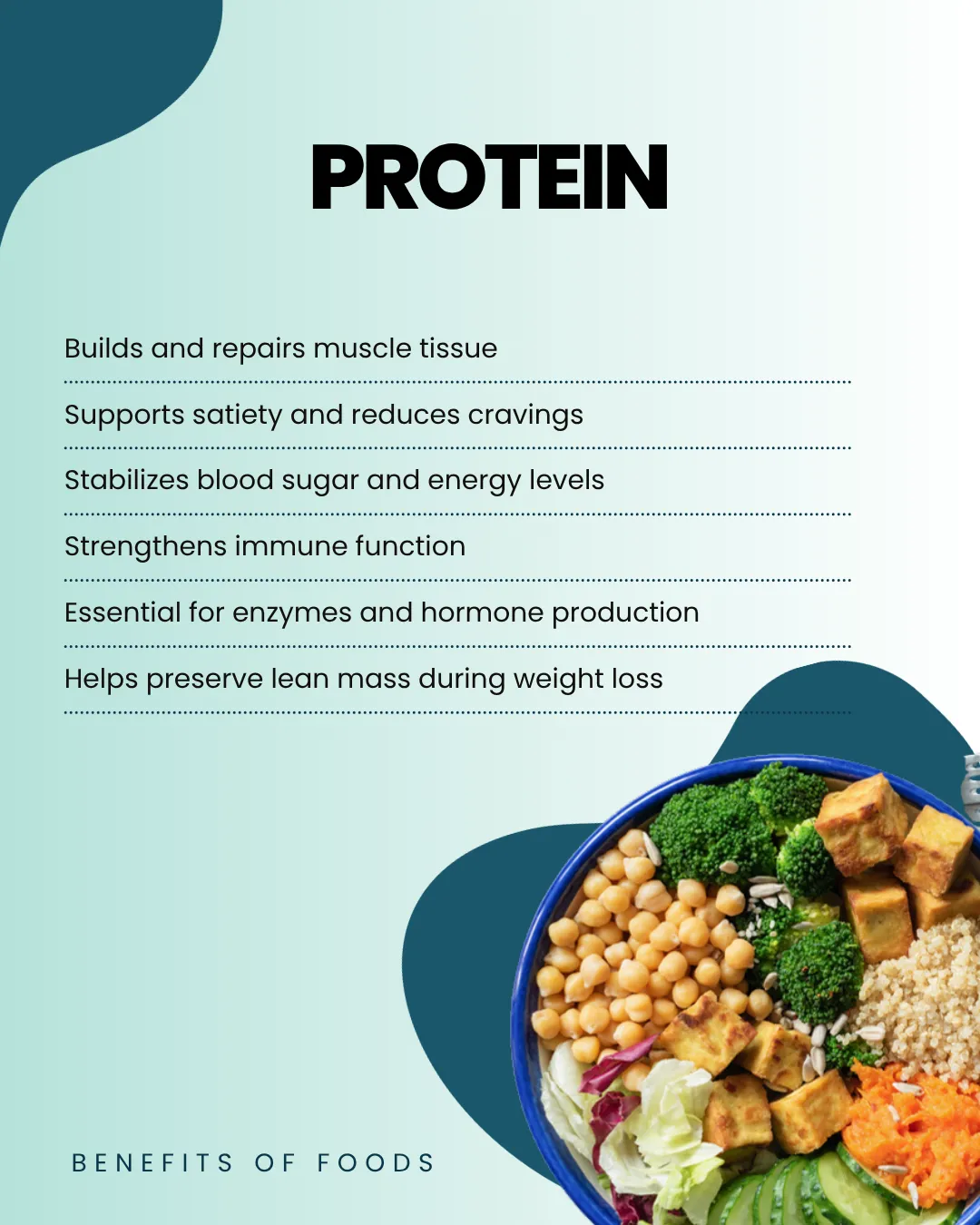
1. Builds and Repairs Muscle Tissue
One of the most well-known functions of protein is its role in building and repairing muscle tissue. After physical activity, especially exercises like lifting weights or running, your muscles need protein to heal and grow stronger. Without enough protein, muscles may have difficulty repairing themselves, leading to weakness or even injury.
2. Supports Satiety and Reduces Cravings
Protein is also great for keeping you full. When you eat enough protein, you may notice that you feel satisfied longer and experience fewer cravings between meals. This is because protein takes more time to digest, which helps control hunger, making it a valuable tool for anyone trying to manage their weight.
3. Stabilizes Blood Sugar and Energy Levels
Having steady energy levels is vital for getting through the day, and protein helps with that too. Eating protein as part of your meals can help stabilize blood sugar levels, preventing sudden spikes or drops. This means more consistent energy throughout the day without the mid-afternoon slump.
4. Strengthens Immune Function
Did you know that protein is important for your immune system too? Proteins are the building blocks of antibodies, which are part of your body's defense system against germs and infections. Without adequate protein, your body could be more vulnerable to illnesses.
5. Essential for Enzymes and Hormone Production
Proteins in the body are used to create enzymes and hormones. Enzymes help speed up chemical reactions, while hormones act as messengers in the body. Both are essential for many bodily functions, including growth and metabolism.
6. Helps Preserve Lean Mass During Weight Loss
When you lose weight, it's important to preserve lean body mass—mainly your muscles. Eating enough protein can help you maintain muscle mass even as you lose fat. This results in a healthier body composition and ensures that the weight you lose doesn't come from muscle.
Getting Enough Protein
Now that you understand some benefits of protein, you might wonder how to ensure you're getting enough. Here are some tips:
- Eat a variety of protein sources: Include meat, fish, eggs, dairy, beans, and nuts into your meals.
- Pay attention to portion sizes: The right amount can depend on your age, sex, and activity level.
- Listen to your body: Everyone's needs are different, so notice how you feel if you adjust your protein intake.
- Consult an expert: Ask a healthcare provider or nutritionist if you're unsure about your dietary needs.
Conclusion
Protein is more than just a part of the food we eat. It is a key component that supports numerous functions in our body. By understanding and prioritizing protein in your diet, you can enjoy better health and well-being. Remember, a balanced diet with enough protein can set the foundation for a healthier, stronger you.