Understanding Autoimmune Flares and Diet
Understanding Autoimmune Flares and Diet
Living with an autoimmune condition can be challenging, especially when experiencing flares, which are times when symptoms get worse. Understanding how diet affects these flares can help manage and possibly reduce symptoms.
What Are Autoimmune Flares?
Autoimmune flares occur when the immune system becomes more active, causing inflammation and symptoms to worsen. These flares can vary in intensity and duration.
The Role of Diet in Autoimmune Flares
Diet plays a significant role in managing autoimmune conditions. Certain foods can either trigger or alleviate symptoms. Understanding common dietary triggers and how to manage them can be useful.
Common Triggers
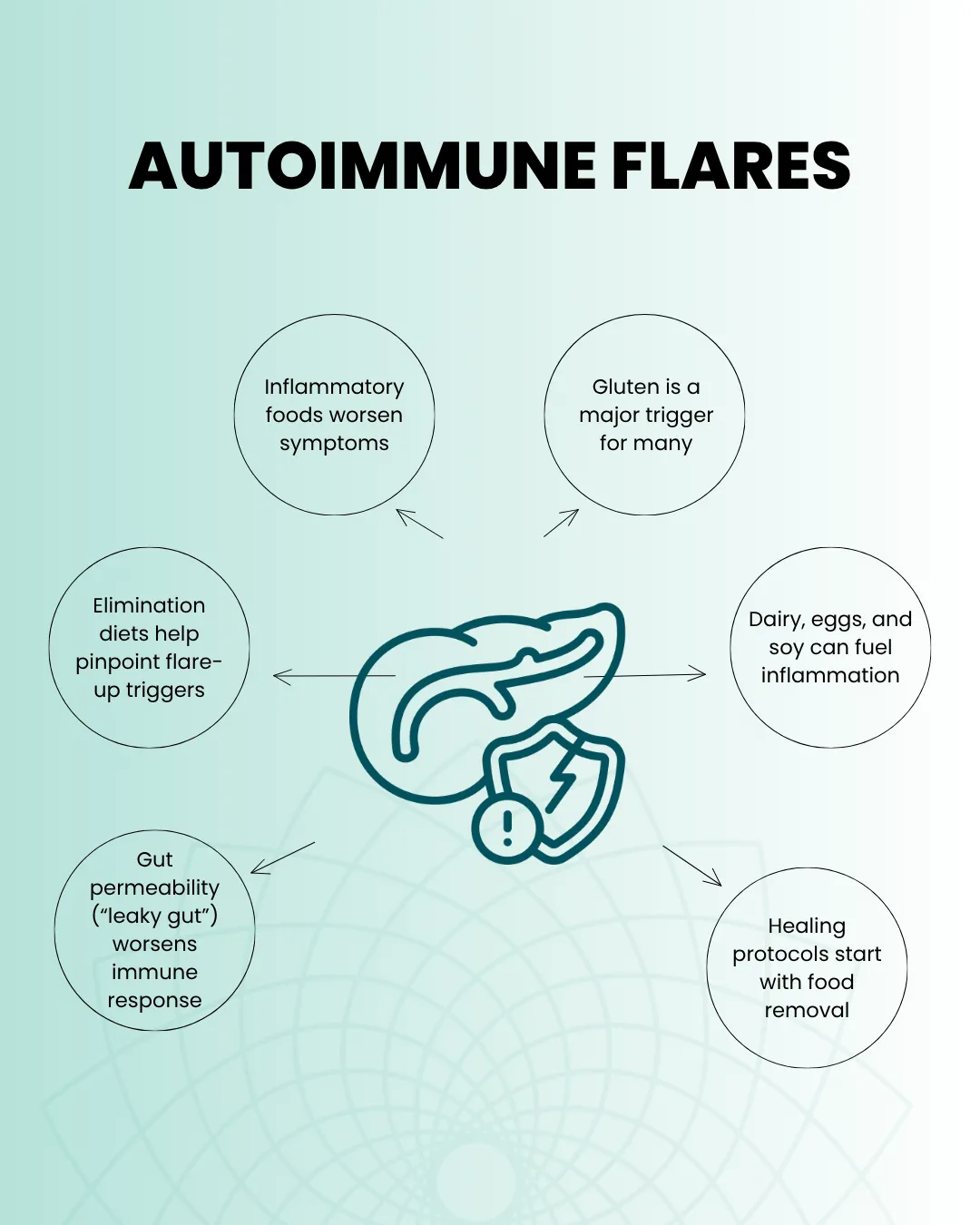
- Inflammatory foods: Foods that cause inflammation can make symptoms worse. Common examples include processed foods, sugars, and unhealthy fats. Avoiding these can help.
- Gluten: For many people with autoimmune conditions, gluten is a significant trigger. This protein found in wheat, barley, and rye can lead to inflammation.
- Dairy, eggs, and soy: These foods can also contribute to inflammation for some individuals. Identifying personal triggers is key.
Gut Health
The health of your gut plays a crucial role in managing autoimmune flares. Poor gut health, known as "leaky gut," allows food particles to enter the bloodstream, worsening the immune response.
Managing Autoimmune Flares with Diet
Understanding how to manage and potentially avoid flares involves making dietary changes.
1. Start with an Elimination Diet
Elimination diets involve removing potential triggers from your diet for a period of time. After this period, you reintroduce foods one by one to pinpoint which foods cause flares.
2. Embrace Anti-Inflammatory Foods
- Include fruits and vegetables rich in antioxidants.
- Consume healthy fats like those found in olive oil and avocados.
- Eat lean proteins and whole grains like quinoa and brown rice.
3. Support Gut Health
Improve gut health to manage immune responses better. Consider the following strategies:
- Probiotics: These help maintain a healthy balance of gut bacteria.
- Fiber: Foods high in fiber support digestion.
- Hydration: Drinking water aids overall health and digestion.
4. Work with Healthcare Professionals
Consult healthcare providers to create a personalized plan. This can include nutritionists or dietitians who specialize in autoimmune conditions.
Conclusion
Managing autoimmune flares requires understanding triggers and the role of diet. With careful attention to food choices and professional guidance, it is possible to minimize flares and improve quality of life.