Understanding Dairy and Its Common Triggers
Understanding Dairy and Its Common Triggers
Dairy products have been part of human diets for thousands of years. From milk to cheese to yogurt, dairy is consumed globally. However, not everyone processes dairy the same way. Many people experience adverse reactions. Let's explore why and what alternatives exist.
What Are Dairy Triggers?
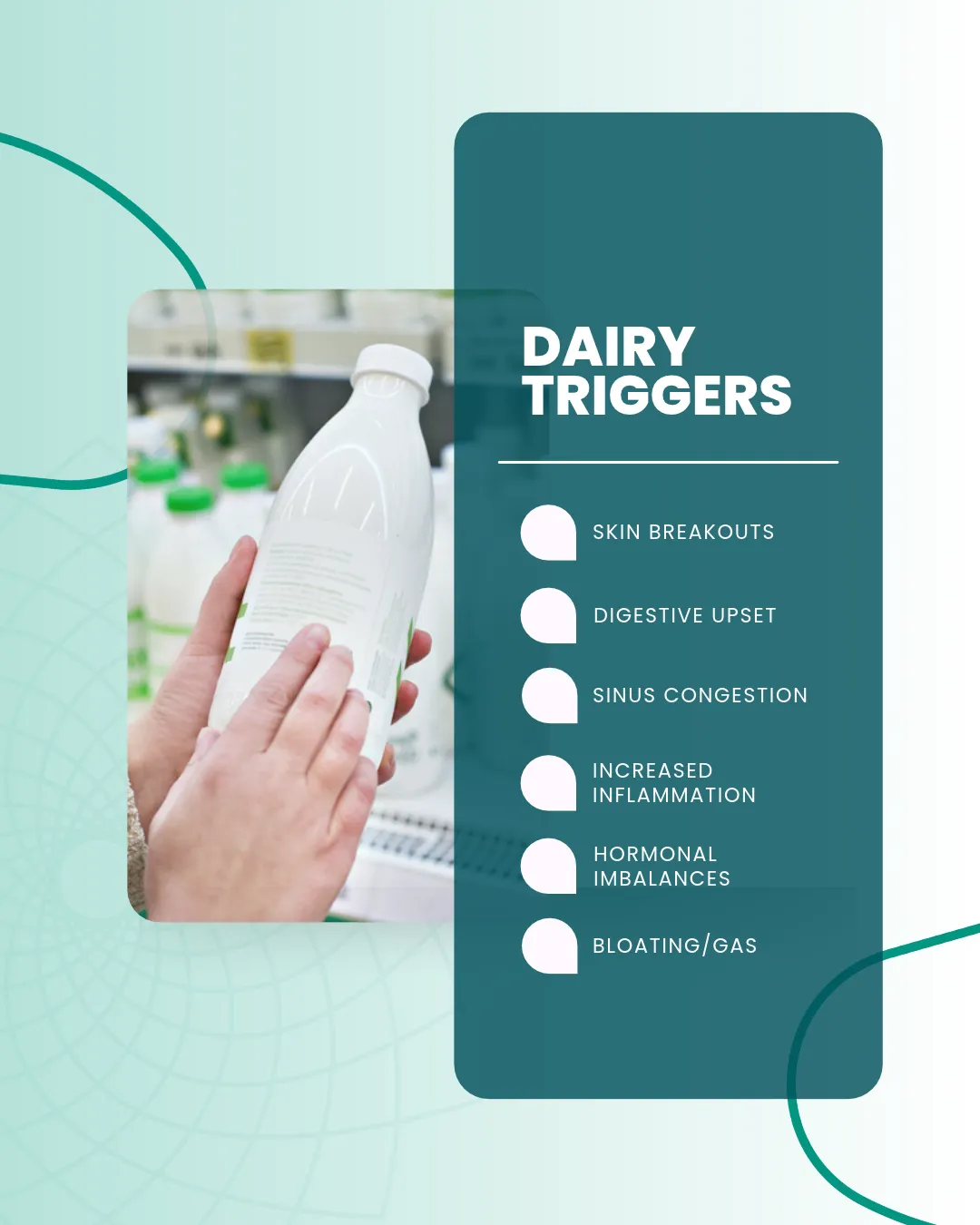
Dairy triggers are symptoms some people experience after consuming dairy products. These can affect various body parts and include:
- Skin Breakouts: Acne can be exacerbated by dairy consumption.
- Digestive Upset: Lactose intolerance is common and can cause discomfort.
- Sinus Congestion: Dairy can increase mucus production.
- Increased Inflammation: Certain dairy proteins might trigger inflammatory responses.
- Hormonal Imbalances: Dairy can contain hormones that disrupt natural balances.
- Bloating/Gas: Some individuals may experience excessive gas or bloating.
Why Do People Experience These Triggers?
Understanding why dairy triggers occur is crucial to managing them. Here are some reasons:
Lactose Intolerance
Many people lack lactase, an enzyme needed to digest lactose, the sugar found in dairy. This can lead to digestive issues and discomfort.
Allergic Reactions
Some people are allergic to proteins in milk, not just lactose. This can result in severe reactions and should not be taken lightly.
Sensitivity to Additives
Dairy products might contain additives or preservatives that cause sensitivities. Always check labels for unwanted ingredients.
How to Manage Dairy Sensitivity
If you suspect you are sensitive to dairy, consider the following steps:
1. Elimination Diet
Try removing dairy from your diet for two weeks to see if symptoms improve. Reintroduce it gradually to determine tolerance.
2. Seek Alternatives
There are many non-dairy options available. Some popular alternatives include:
- Almond Milk
- Soy Milk
- Coconut Milk
- Rice Milk
These products can offer similar nutrients without the adverse effects.
3. Consult a Healthcare Provider
If cutting out dairy helps, but you’re unsure of the cause, consult with a healthcare professional. They can provide guidance and tests to help manage your diet better.
Benefits of Reducing Dairy Intake
When dairy is reduced or eliminated, people often report positive changes. These may include:
- Clearer Skin: Less acne and breakouts.
- Improved Digestion: Reduced bloating and gas.
- Better Breathing: Decreased sinus congestion and easier breathing.
- Balanced Hormones: Fewer hormonal fluctuations.
- Overall Wellness: Increased energy and improved mood.
Conclusion
Understanding how dairy affects your body is crucial. Some individuals thrive on a diet without dairy. They enjoy clearer skin, better digestion, and balanced hormones. If you're experiencing any adverse symptoms after consuming dairy, explore alternatives and consult professionals as needed. Making mindful choices can lead to a healthier lifestyle.