Understanding Egg Sensitivity Effects
Understanding Egg Sensitivity and Its Effects
Eggs are a staple in many diets around the world. They are packed with nutrients and are incredibly versatile. However, for some individuals, eggs can be a source of discomfort and health issues. This is due to a condition known as egg sensitivity. In this blog post, we'll explore what egg sensitivity is, its causes, symptoms, and ways to manage it effectively.
What is Egg Sensitivity?
Egg sensitivity is different from an egg allergy. While an egg allergy can cause severe reactions such as anaphylaxis, egg sensitivity tends to result in less intense but still impactful symptoms. The body reacts to proteins found in eggs, leading to various symptoms that can affect one’s quality of life.
Common Symptoms of Egg Sensitivity
Here are some of the most common symptoms associated with egg sensitivity:
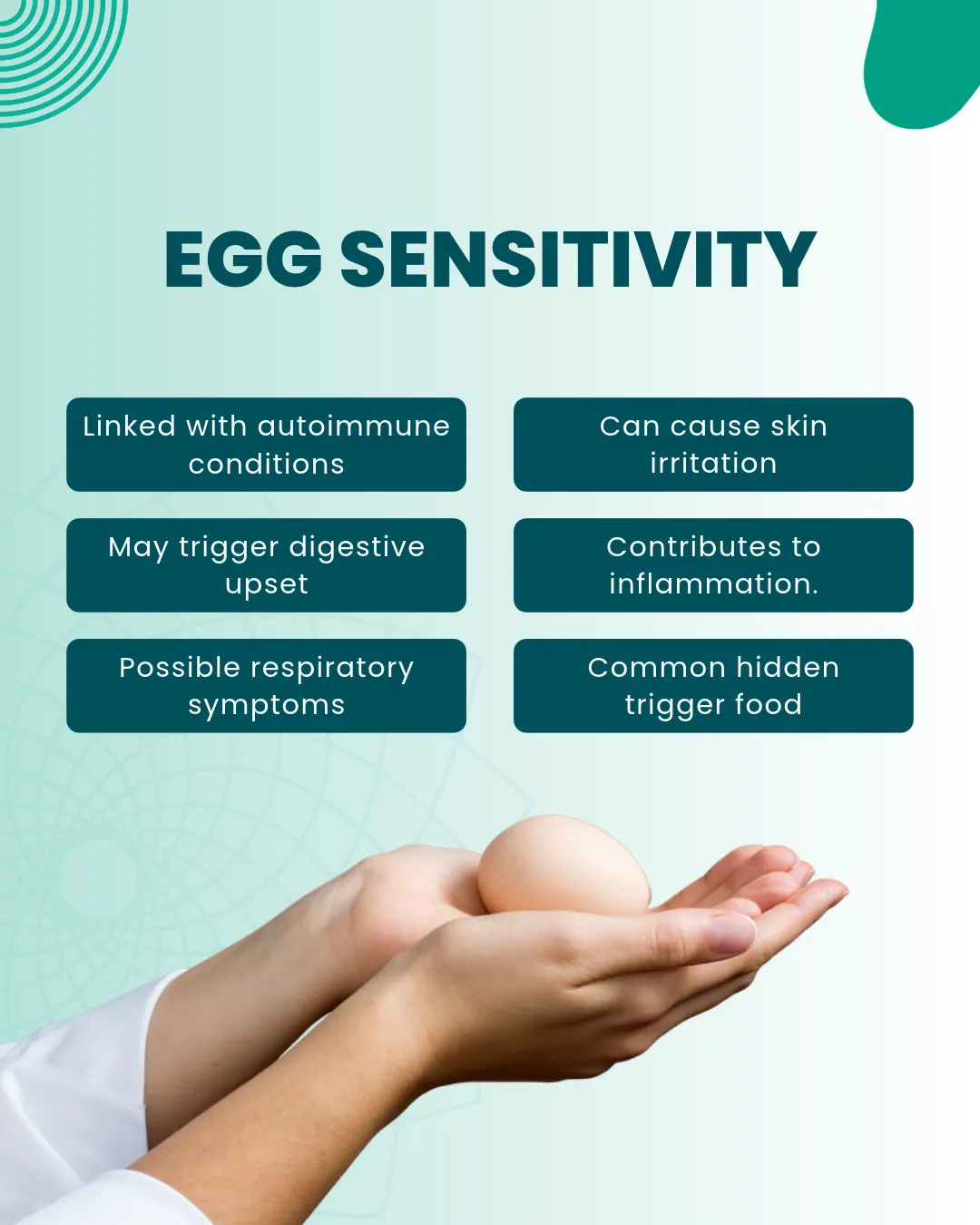
- Digestive Upset: Many people with egg sensitivity report digestive issues. This can include bloating, gas, or discomfort after eating eggs.
- Skin Irritation: Some individuals experience skin problems such as rashes or eczema as a result of egg sensitivity.
- Inflammation: Consuming eggs might worsen inflammatory conditions or contribute to new ones.
- Respiratory Symptoms: Although rare, some might encounter respiratory symptoms like a runny nose or wheezing.
Causes of Egg Sensitivity
Several factors can lead to egg sensitivity. Understanding them is essential for effective management:
- Protein Reaction: The body may misidentify proteins in the egg as harmful, launching an immune response.
- Autoimmune Connection: Some studies suggest a link between egg sensitivity and autoimmune conditions.
- Genetic Predisposition: If family members have sensitivities or allergies, there's a higher chance others in the family might too.
Managing Egg Sensitivity
Managing egg sensitivity often requires dietary changes and careful monitoring:
- Elimination Diet: Removing eggs from your diet temporarily can help identify if they are the cause of symptoms.
- Reading Labels: Eggs can be hidden in many food products. Being diligent about checking labels is crucial.
- Consulting Healthcare Professionals: A healthcare provider or nutritionist can offer guidance tailored to individual needs.
- Alternative Foods: Explore egg substitutes like chia seeds, flaxseeds, or commercial egg replacers.
The Importance of Diagnosis
Self-diagnosing egg sensitivity can lead to overlooking other potential causes of symptoms. It’s important to get a professional diagnosis to ensure that your health is managed properly. Testing is available through healthcare providers to confirm sensitivities or allergies.
Conclusion
Egg sensitivity is a manageable condition once properly identified. By understanding symptoms and causes, and through careful management, individuals can continue enjoying a nutritious diet without discomfort. Always seek guidance from health professionals when dealing with any potential food sensitivity for a personalized approach to health and wellness.