Understanding Migraines & Food Triggers
Understanding Migraines and Their Food Triggers
Migraines can be a debilitating condition, affecting the daily lives of many people across the globe. While the causes of migraines are varied and complex, one significant trigger can be the foods we consume. Understanding these triggers may help in reducing the frequency and severity of migraine attacks.
The Role of Sensitivities
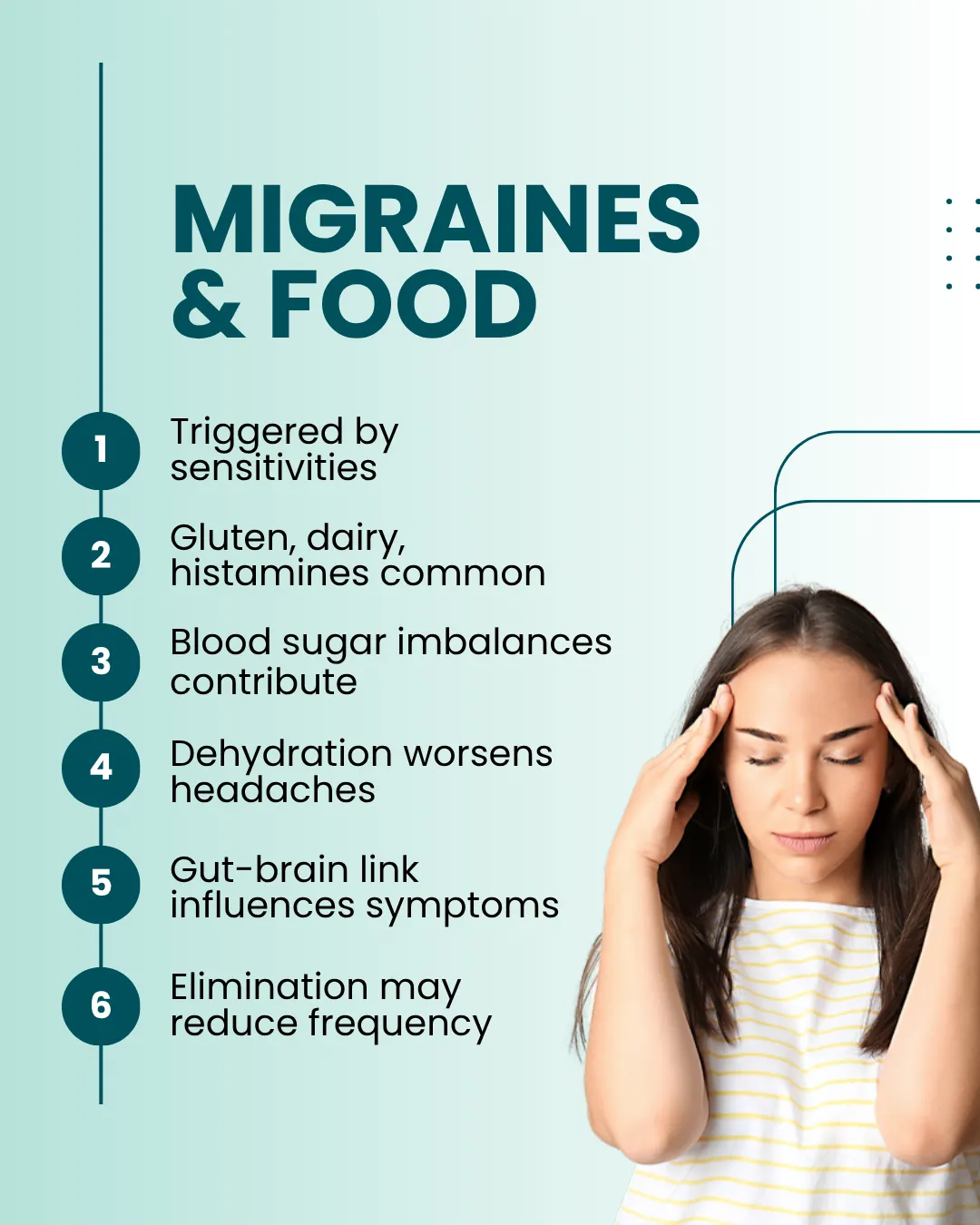
Many people with migraines have sensitivities to certain foods. These sensitivities can trigger or worsen a migraine attack. Identifying and avoiding these foods can be a crucial step in managing migraines effectively.
Common Culprits: Gluten, Dairy, and Histamines
Some common food sensitivities include gluten and dairy. Additionally, foods rich in histamines like aged cheese, processed meats, and fermented products can also be triggers. Monitoring and adjusting one’s diet to minimize these types of foods can be beneficial for migraine sufferers.
Importance of Blood Sugar Balance
Blood sugar imbalances are another factor that may contribute to migraines. Skipping meals, eating sugary snacks, or consuming excessive refined carbohydrates might lead to fluctuations in blood sugar levels, potentially triggering a migraine.
Hydration and Headache Prevention
Dehydration is a well-known trigger for headaches and can worsen migraines. Staying adequately hydrated by drinking enough water throughout the day is a simple yet effective way to help prevent migraines.
Gut-Brain Connection
The link between the gut and the brain is gaining more attention in the realm of migraines. Poor gut health can influence neurotransmitters and inflammation, potentially leading to migraine symptoms. Eating a balanced diet rich in fiber and fermented foods can support a healthy gut, possibly reducing migraine occurrences.
Elimination Diet: A Strategy for Relief
An elimination diet may help identify which foods are contributing to migraines. By removing specific foods suspected of being triggers and gradually reintroducing them one at a time, individuals can identify which substances may be causing issues.
Steps to Take
- Identify Triggers: Keep a food diary to track what you eat and note any connections to migraine occurrences.
- Consult Professionals: Seeking guidance from healthcare providers or dietitians can provide valuable insights and personalized strategies.
- Stay Hydrated: Ensure you drink plenty of water daily to keep dehydration-related headaches at bay.
- Maintain Blood Sugar Levels: Eat balanced meals with healthy carbohydrates, proteins, and fats to keep blood sugar levels stable.
- Support Gut Health: Include more probiotics and fiber-rich foods in your diet to nurture gut health.
- Try an Elimination Diet: This approach can help pinpoint specific food triggers unique to your body.
In summary, understanding the relationship between food and migraines empowers individuals to take control of their health. By identifying and managing food triggers, and adopting a holistic approach, it is possible to reduce the frequency and severity of migraines. Knowledge and proactive strategies can lead to a healthier, more comfortable life.